
Carbon plate running shoes have exploded in popularity over the last few years. Once reserved for elite marathoners and race-day performance, they’re now widely available — and many everyday runners are wondering whether they should train in them regularly.
So, are carbon plate shoes actually worth it for daily runs? The answer depends on your goals, experience, and how you plan to use them.
What Are Carbon Plate Running Shoes?
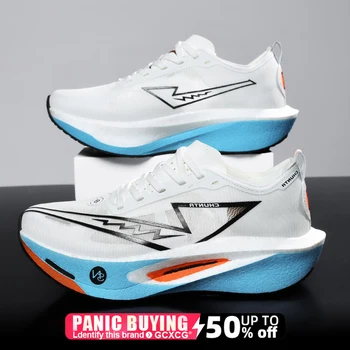
Carbon plate running shoes include a rigid carbon-fiber plate embedded in the midsole, typically paired with lightweight, responsive foam. This design creates a spring-like effect that helps propel you forward with each step, improving efficiency and reducing the energy needed to maintain pace.
Because of this technology, runners often feel:
-
Faster turnover
-
Less fatigue at race pace
-
More “bounce” in each stride
Some studies and performance data suggest these shoes can improve running economy and reduce the physiological effort required at a given speed.
The Benefits for Everyday Runners
✅ 1. Improved Efficiency and Speed
Carbon plates help store and return energy, meaning you may use less effort to run at the same pace.
For runners chasing personal bests, this can translate into faster workouts and improved race performance.
✅ 2. Reduced Fatigue on Hard Efforts
Because the plate stabilizes the foot and enhances toe-off, some runners feel less muscle fatigue during long or fast runs.
This makes them particularly useful for:
-
Tempo runs
-
Long race-pace sessions
-
Competitions
✅ 3. Motivation and Confidence Boost
Let’s be honest — feeling fast matters. Many runners train more consistently when their gear feels exciting and responsive.
The Downsides of Using Them Every Day
❌ 1. Not Designed for Daily Training
Most carbon plate shoes are optimized for speed and racing rather than everyday mileage. Their stiff structure can alter natural biomechanics and increase stress on muscles and joints if used constantly.
Experts often recommend saving them for races or key workouts instead of recovery runs.
❌ 2. Higher Injury Risk With Overuse
Daily use may increase the chance of overuse injuries such as:
-
Achilles strain
-
shin splints
-
stress fractures
This is partly because the rigid plate and propulsion can place different loads on your body than traditional trainers.
❌ 3. Expensive and Less Durable
Carbon plate shoes commonly cost around $200 or more and often wear out faster than standard running shoes.
Some models only maintain peak performance for roughly 150–200 miles, making them costly for everyday mileage.
Who Should Use Carbon Plate Shoes Regularly?
✔️ Worth it if you are:
-
Training for races or chasing personal records
-
Running structured speed workouts
-
An experienced runner with good mechanics
-
Rotating multiple pairs of shoes
❓ Maybe not worth it if you are:
-
A beginner runner
-
Running mostly easy or recovery miles
-
Focused on comfort and injury prevention
-
On a tight budget
For many recreational runners, comfort, durability, and proper fit matter more than advanced race technology.
The Best Strategy: Shoe Rotation
Most coaches and experts recommend:
Daily trainer → for easy runs and mileage
Carbon plate shoe → for workouts and race day
This approach helps you:
-
Reduce injury risk
-
Extend shoe lifespan
-
Maintain strong natural running mechanics
Final Verdict: Are They Worth It?
Yes — but not as your only running shoe.
Carbon plate running shoes can be a fantastic performance tool, especially for races and speed sessions. But for everyday running, most runners will benefit more from a comfortable daily trainer and occasional use of carbon shoes when performance matters most.
Think of them like a sports car: amazing for race day, but not always ideal for the daily commute.
Carbon Plate Running Shoes 5



0 Comments